

Our story: From research roots to industry application
In 2016, founders Dr Andrew Weeks and Dr Paul Umina led pioneering research of environmental DNA technology in Australia. Recognising the benefit of how scalable, science-backed insights can support meaningful action in conservation and industry, EnviroDNA was spun out of sister company Cesar Australia. eDNA is more than environmental intelligence. It's the bridge between understanding ecosystems and protecting them. Today, EnviroDNA operates with a purpose. Backed by a diverse team of ecologists, geneticists, and data specialists towards a vision of a sustainably managed future, we help our clients make faster decisions, smarter conservation, and measurable environmental outcomes.

What is environmental DNA?
Environmental DNA (eDNA) refers to the DNA that all living things shed into the environment, through skin cells, hair, or other bodily secretions.
We specialise in innovative, eDNA-powered biodiversity monitoring solutions. By extracting DNA from environmental samples, like soil, water, or air, we reveal insights into species, biodiversity, and environmental change at site and landscape level.
Since 2016, we have been transforming samples into actionable, scalable intelligence for a broad range of industries, empowering smarter decision-making for environmental management and conservation.
Compared with traditional survey methods, eDNA solutions deliver insights with less effort, lower cost, faster turnaround, and minimal impact on wildlife and ecosystems.
Unlock these benefits of using eDNA:
-
Detect species from samples and eliminate the need for observation
-
Gain rapid insights with fast analysis turnaround
-
Demonstrate environmental change through scalable data
-
Spend less time in the field, reducing OH&S risk
-
Use simple sampling techniques, minimal training required
-
Save costs monitoring with less resources
Our mission
Power every nature-positive decision using eDNA.
Our vision
A world where human impacts are sustainably managed.
Our clients
EnviroDNA works with clients in Australia and around the world. We partner with diverse private, government, and not-for-profit sectors to adopt innovative solutions for nature management.





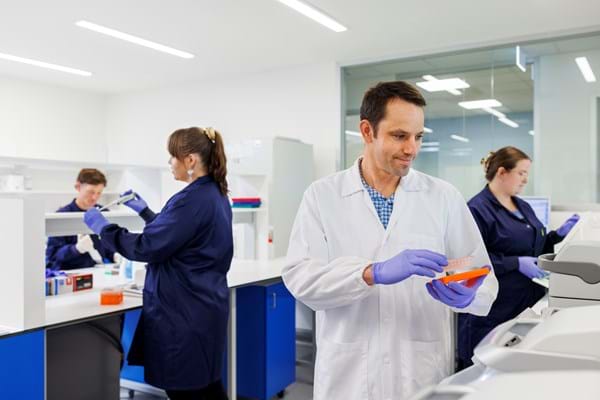
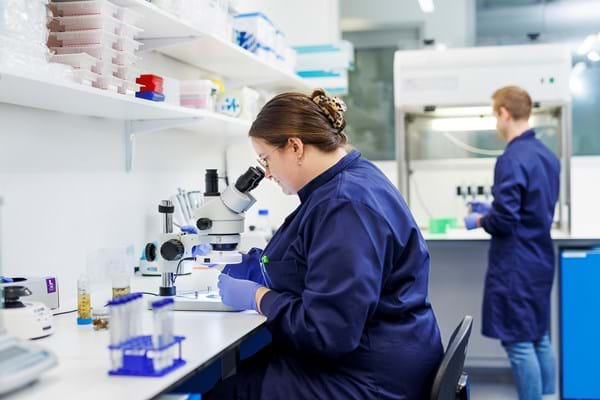
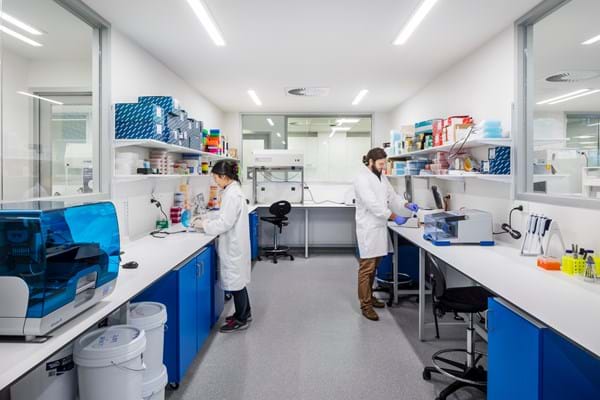
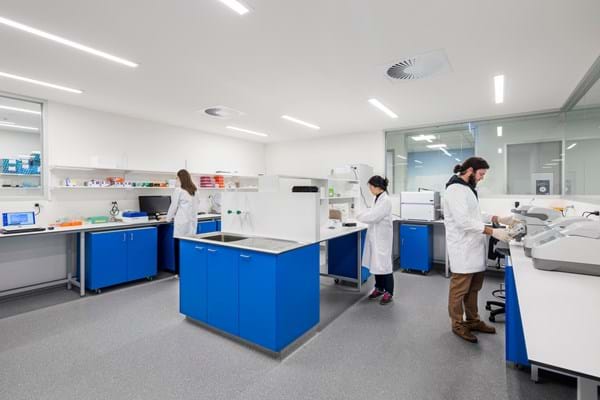
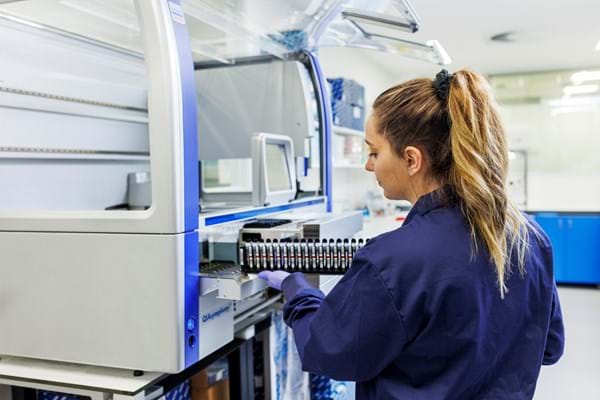
Your samples are processed in state-of-the-art laboratories specifically designed for eDNA analysis.
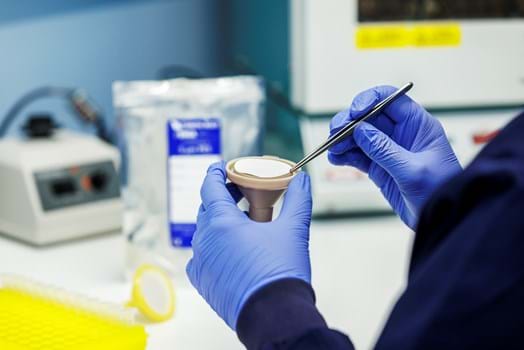
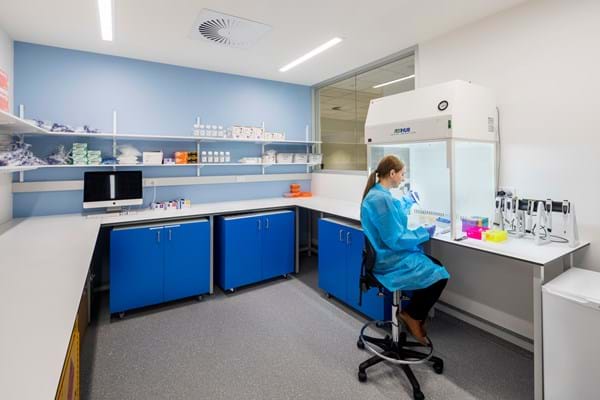
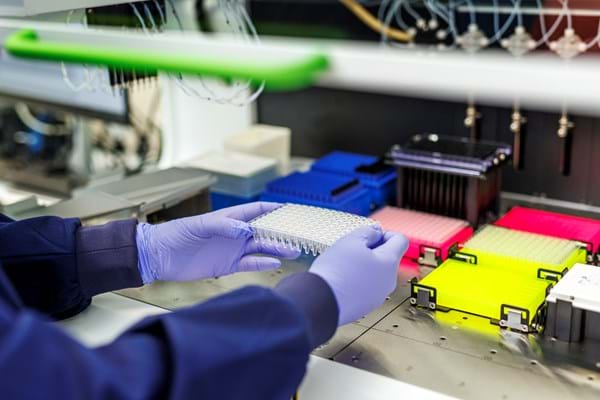
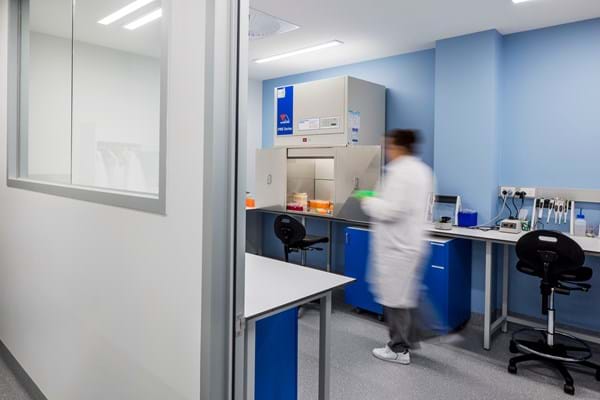
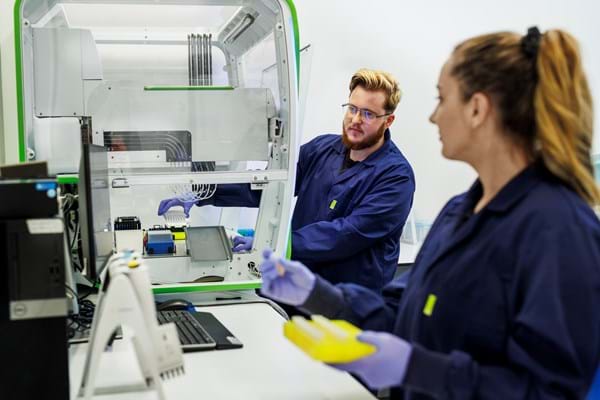
EnviroDNA operates state-of-the-art eDNA laboratories, equipped with specialised DNA sequencing and high-throughput automation systems. Our facility has four purpose-built laboratories designed for high-volume sample processing while maintaining precision, contamination control, and rigorous quality assurance.
Our laboratories
- Built for Precision and Scale. EnviroDNA operates state-of-the-art laboratories with specialised DNA sequencing and high-throughput automation systems. Our facilities support scalable sample processing without compromising precision or quality assurance.
- Purpose-Built for Every Stage. We have invested in four distinct eDNA laboratory areas. Each lab is tailored to a specific stage ofsample processing.
- Technology That Delivers Quality. Our facilities feature DNA sequencing machines, contamination-free zones and controlled airflow systems. These help us maintain exceptional efficiency and quality throughout the process.

Ground-truthed results you can trust
We are dedicated to delivering high-quality results. That's why ground-truthing is embedded in our workflow.
Ground-truthing means checking eDNA detections against other lines of evidence, such as existing ecological surveys, species records, habitat suitability, and relevant reference databases.
This process helps distinguish true biological signals from background noise, improves interpretation of detections, and provides important ecological context for decision-making. We combine laboratory controls and bioinformatic quality checks with expert ecological review and comparison to external datasets.
This allows us to confirm whether detections are consistent with known species distributions, environmental conditions, and survey design — and to clearly communicate any limitations or uncertainties.
For you, this means greater confidence that results are credible, defensible, and fit for purpose.
Ground-truthed data supports regulatory reporting, natural capital and TNFD applications, management planning, and long-term monitoring by reducing misinterpretation and strengthening the evidence base behind every insight.