


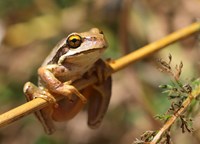
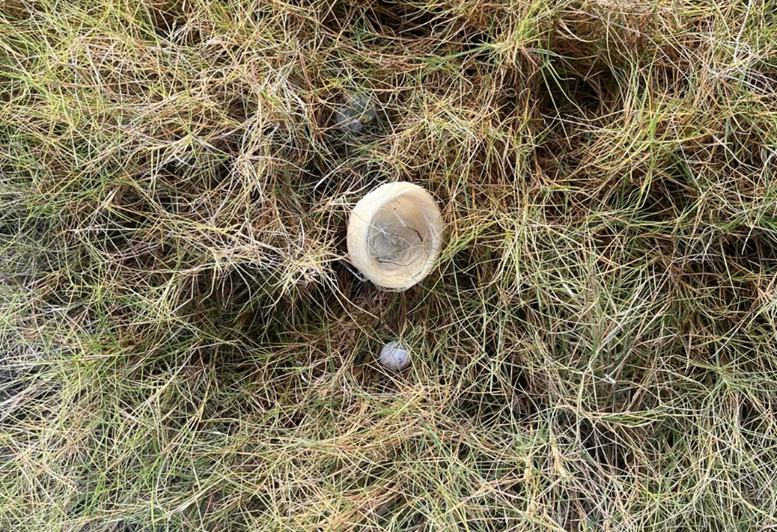
Case Study Understanding Predation and Diet of the Capricorn Yellow Chat
The Capricorn Yellow Chat (Epthianura crocea macgregori) is listed as Critically Endangered under the Commonwealth Environmental Protection and Biodiversity Conservation Act 1999. To support ongoing research led by CQUniversity, eDNA methods were applied in an innovative survey to maximise detection using artificial eggs and nest rinsing. The objective was to understand: 'Which species are predating the chat, and what are Capricorn Yellow Chats predating?
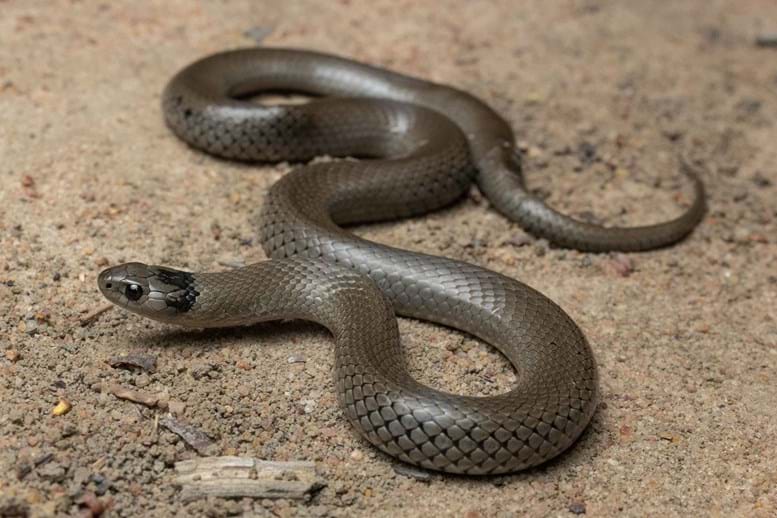
Species-Specific eDNA Assay for Endangered Grey Snake
For environmental consultants and conservation practitioners, reliably confirming the presence of grey snakes can therefore be both time-consuming and uncertain. To explore a more scalable and sensitive monitoring approach, Umwelt identified an innovative solution. The challenge was to design a targeted eDNA assay capable of detecting grey snake DNA from water samples collected in the field.
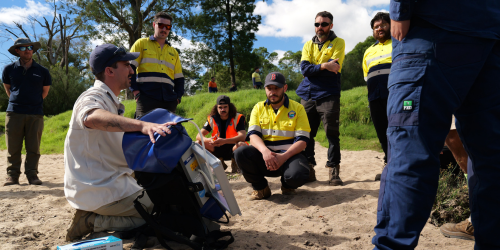
eDNA Training on Country with GLaWAC
GLaWAC are undertaking multi-season eDNA water sampling to monitor biodiversity at culturally significant sites around the Gippsland Lakes region. Developed in partnership, this video case study explores how the training is delivered and its impact on Caring for Country.
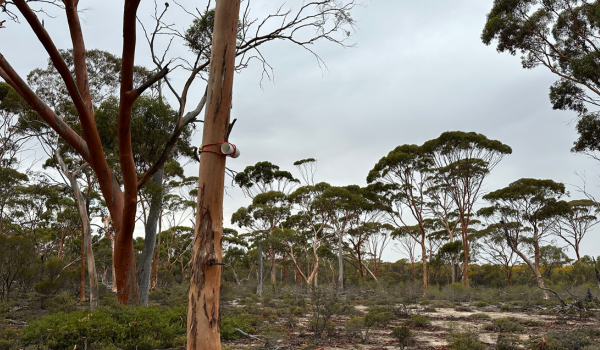
Airborne eDNA Monitoring for Terrestrial Biodiversity with Wheatbelt NRM
Wheatbelt NRM partnered with EnviroDNA to deliver an innovative biodiversity survey using airborne eDNA monitoring across multiple sites in south-western Western Australia. Local citizen scientists were trained to deploy passive sampling devices, which were fixed to trees for one month. We processed these samples using DNA metabarcoding to identify vertebrate species.
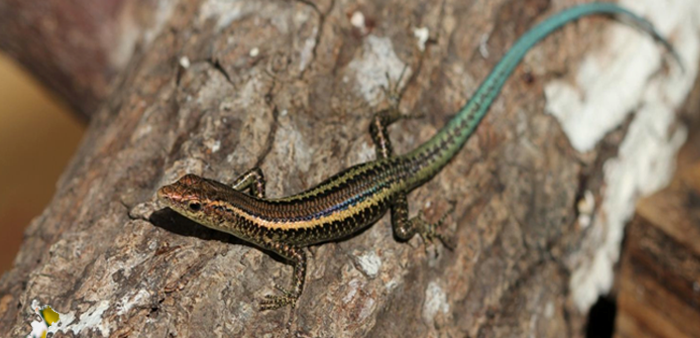
Christmas Island Blue-Tailed Skink Detection to Support Recovery Efforts
The Christmas Island Blue-Tailed Skink (Cryptoblepharus egeriae) is a Critically Endangered species listed on the EPBC list, endemic to Christmas Island. Parks Australia aimed to support recovery efforts by using eDNA techniques to detect both the skink and its known cryptic predator – the wolf snake (Lycodon capuchinus).

Border Ranges Lined Fern Detection using eDNA
Tweed Landcare engaged EnviroDNA on a monitoring project for the Border Ranges Lined Fern using eDNA. This is an epiphytic fern that grows on the surface of volcanic boulders and tree trunks in subtropical rainforests. It’s listed as Critically Endangered on the EPBC list, having an extremely limited distribution only occurring on the border of QLD and NSW.
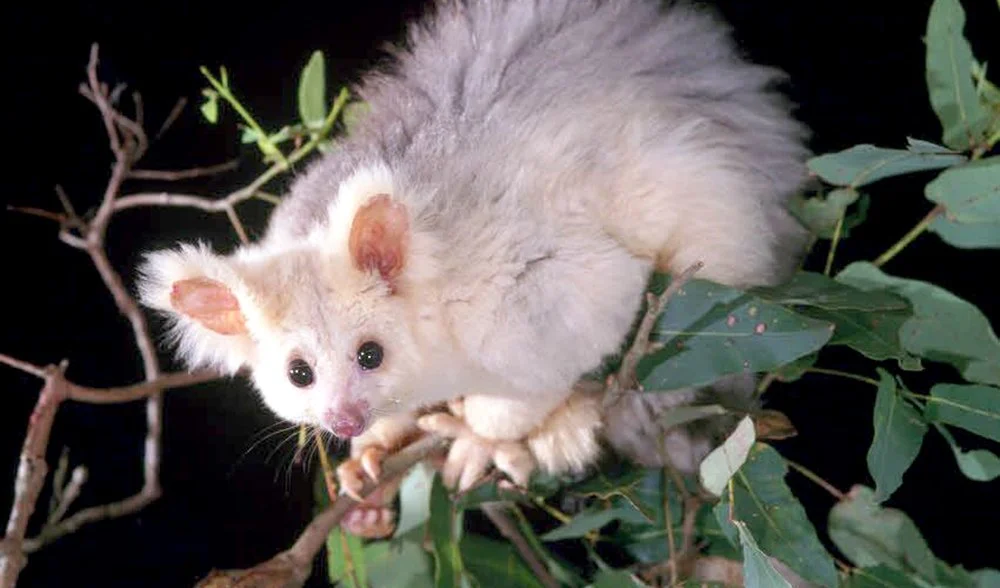
Detection of Greater Glider in Queensland using eDNA
The City of Moreton Bay partnered with EnviroDNA to improve detection of Greater Gliders using eDNA. EnviroDNA developed a targeted qPCR assay to support more precise sampling and improve detection reliability. Multiple sample types were investigated, including water, scat, and tree hollow swabs.
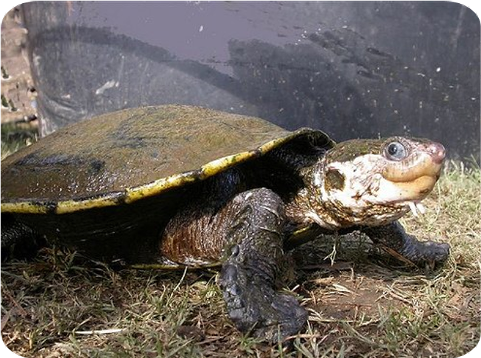
Monitoring Freshwater Turtles using eDNA
BMRG in Queensland partnered to better understand the distribution of freshwater turtles, focusing on the White-throated Snapping Turtle (Elseya albagula) and the Mary River Turtle (Elusor macrurus). EnviroDNA was engaged to apply the Threatened Species Detection Matrix, a tool that assesses the likelihood of successfully detecting a species using eDNA.
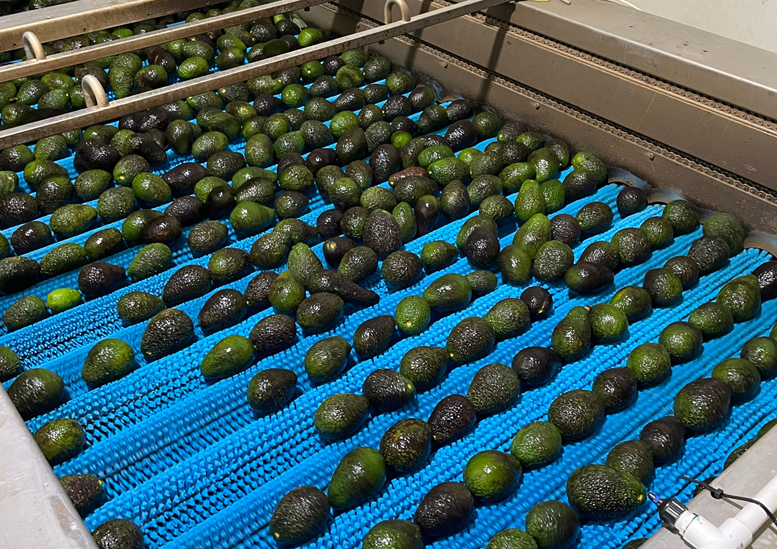
Rapid Detection of Avocado Priority Pests with eDNA
Funded by Hort Innovation, this project developed eDNA technologies for the rapid detection and identification of priority pests for the avocado industry. DNA-based testing techniques aim to improve the ability of the avocado industry to quickly and accurately identify pest incursion threats in a cost-effective manner.
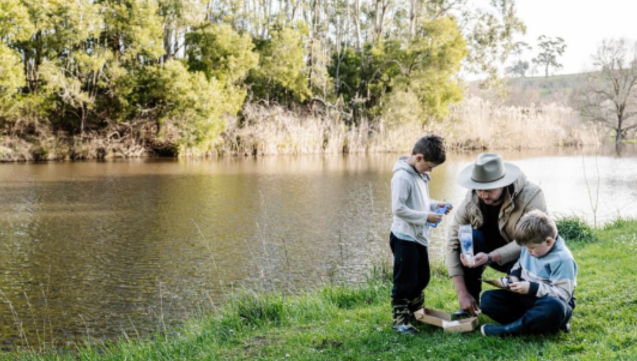
The Great Australian Wildlife Search
The Great Australian Wildlife Search is an ambitious project using citizen science and eDNA monitoring to address significant knowledge gaps in biodiversity throughout Australia. Traditional methods for monitoring over large areas can be challenging due to their high costs, labor-intensive nature, and time-consuming processes.
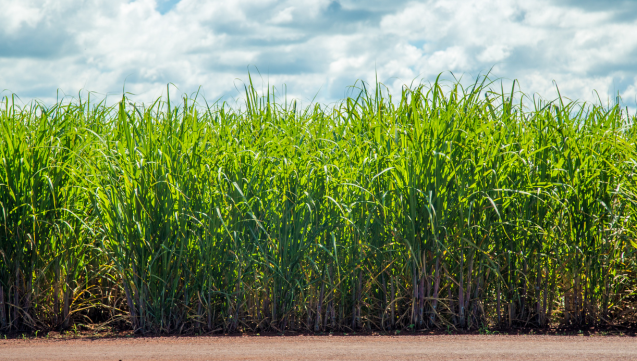
Rapid eDNA Detection of Priority Sugarcane Pests
This project partners with Sugar Research Australia to explore simple environmental sampling approaches to indirectly identify species that have recently been in an area, or to directly identify species that are difficult to identify by non-genetic methods.
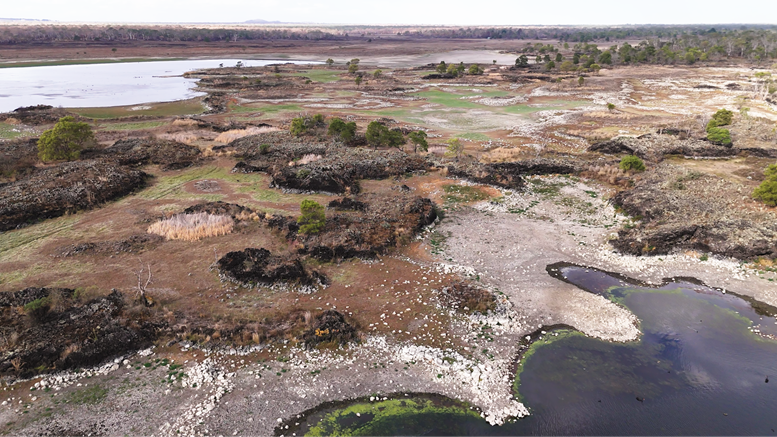
Baseline Data for the Budj Bim Cultural Landscape
The Budj Bim landscape is located on Gunditjmara Country in southwest Victoria, Australia. This area is an extremely culturally significant landscape and is home to a range of native and threatened species. eDNA surveys were used to survey the extensive landscape area in a quick and cost-effective way whilst gaining critical biodiversity data to assist in future management and planning decisions.