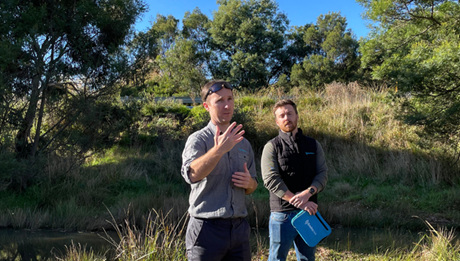


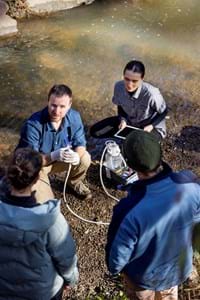
We deliver innovative citizen science programs using eDNA — a safe, simple, and accessible tool for all ages.
Our programs empower communities to connect with local ecosystems, explore biodiversity, and learn about cutting-edge genetic technologies, while contributing real data to support hands-on environmental management and restoration.
By collecting environmental samples such as water, soil, or air, citizen scientists can unlock valuable insights into local ecosystems and biodiversity.
We have partnered with schools, community groups, and organisations, to design and deliver tailored eDNA citizen science programs that support a wide range of social and environmental goals.
Empowering citizen science through eDNA
eDNA enables communities to actively participate in biodiversity monitoring, transforming citizen science into a powerful tool for understanding and protecting ecosystems.
Why apply eDNA technology?
-
Accessible and easy sampling. eDNA sampling uses simple, non-invasive techniques that are easy to learn. Community members of all ages can safely participate.
-
Local engagement in biodiversity monitoring. Communities are empowered to connect with local ecosystems and support environmental stewardship.
-
Customisable for project goals. eDNA programs can be tailored to suit different objectives — from mapping biodiversity and detecting invasive species to tracking change and guiding habitat restoration.
Case studies
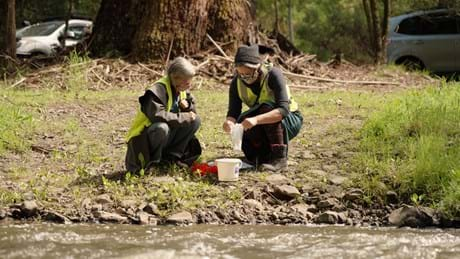
The Great Australian Wildlife Search
An ambitious citizen science project using innovative ecological monitoring to help fill critical knowledge gaps in Australia’s biodiversity.
This project offers a smarter, more inclusive way to monitor nature at a national scale. We analysed 3,700 samples across 1850 sites for the Spring 2021 Victorian sampling season.
Discovering Nature Through eDNA: Students Dive Into Local Ecosystems
Through hands-on field sampling and learning activities, students explored their local ecosystems, deepening their understanding of genetic science, biodiversity and conservation.
This program funded by the Victorian Junior Landcare grants helped raise awareness of local environments and the importance of on-ground conservation efforts.