


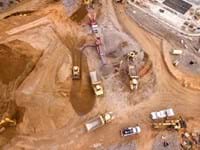
Our eDNA monitoring solutions give mining companies the intelligence they need to manage ecological risks across the entire mine lifecycle and post-mine rehabilitation. We can help you identify species presence, monitor ecosystem health, detect invasives, and help meet biodiversity targets across the mine lifecycle.
By collecting and analysing environmental samples, we unlock powerful data. Sample collection is simple and can be conducted on-site with minimal training. Compared with traditional biodiversity monitoring techniques, eDNA can reduce health and safety risks by minimising the time and resources spent in the field.
Access to scalable and actionable biodiversity intelligence enhances decision making, leading to real, lasting environmental and social benefits. We specialise in diverse monitoring solutions that help mining organisations understand ecological recovery in rehabilitated areas, and programs supporting co-management with Traditional Owners in data collection.
Our eDNA solutions deliver these benefits:
-
Efficient and scalable monitoring — Capture ecosystem data quickly across multiple sites and throughout the project lifecycle.
-
Reduce OH&S risks — Minimise field exposure with non-invasive sampling techniques.
-
Environmental impact assessments — Evaluate biodiversity pre-, during, and post-operations to inform adaptive management.
-
Strengthen rehabilitation and closure monitoring — Use data-driven insights to enhance ecosystem resilience.
-
Enhance reporting and disclosure — Support TNFD-aligned and ESG reporting with robust biodiversity data.
-
Early detection of ecological risks — Spot changes in species presence or invasive species before they escalate, enabling proactive management and reducing long-term environmental and compliance costs.
How you can apply eDNA

Strengthen rehabilitation and closure monitoring with lifecycle data — from baseline surveys to post-closure assessment.
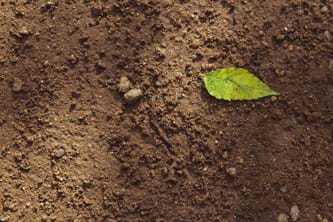
Monitor soil biodiversity as an early indicator of rehabilitation success.

Easily measure nature's success and strengthen your TNFD and ESG reporting with accurate, data-driven insights using eDNA, supporting transparency and environmental disclosure.
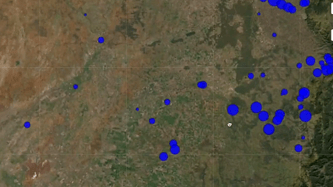
Restoring land after mining goes beyond compliance — it’s about demonstrating real environmental progress. We visualise your data so you can track biodiversity changes, compare sites, and communicate findings with confidence.
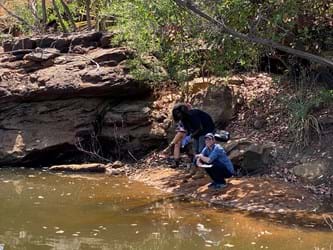
Co-designed programs that combine eDNA technology with cultural knowledge to support First Nation–led stewardship and improve land management outcomes.
Environmental monitoring for mining with eDNA
We specialise in applying eDNA to large, complex projects, helping environmental teams in the mining sector collect stronger evidence for rehabilitation and restoration reporting.
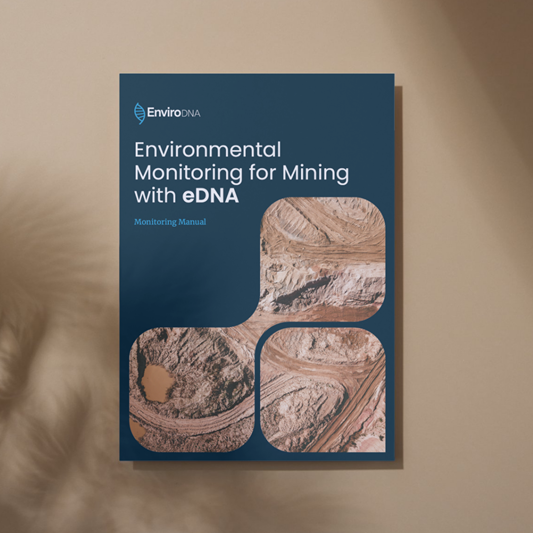
We’ve developed a step-by-step guide to eDNA monitoring for mine sites. Fill out your details below to access the manual or contact us at: info@envirodna.com
Innovative Ecosystem Insights
Monitoring terrestrial biodiversity around mine sites can be challenging, with traditional surveys often requiring intensive effort and providing limited coverage.
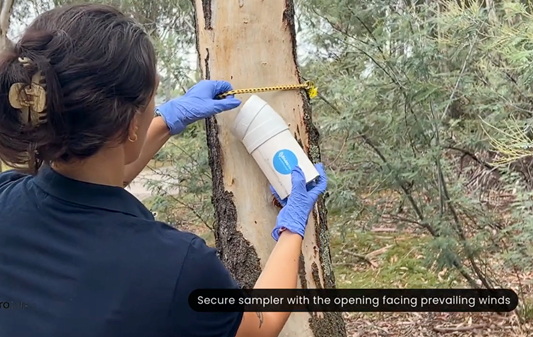
We are undertaking innovative R&D on passive air sampling techniques (airDNA) that captures and analyses DNA shed by species into the air. This enables:
-
Non-invasive surveys across large landscapes
-
Detection of rare or cryptic species often missed by conventional methods
-
Efficient, scalable data collection
airDNA opens new opportunities to demonstrate ecological recovery across rehabilitation zones and surrounding habitats.
Learn more

Community-driven water stewardship on Country in western Cape York
We partnered with Indigital for the second season of the Caring for Country initiative.

eDNA for nature-related disclosures
eDNA can help you understand nature-related impacts for TNFD, tackle complex environmental challenges, and measure the success of conservation outcomes.

Streamline data for nature-risk and impact reporting
Visualise your biodiversity data so you can dive into your results, compare sites, uncover insights quickly and share findings with stakeholders.

Natural capital assessment in Burnett Mary Region
BMRG developed a comprehensive environmental account, applying an accredited eDNA method to assess natural capital.