



We can help you harness innovative technologies to guide ecosystem or species management and restoration. eDNA detects species without direct observation, providing pivotal, actionable intelligence to strengthen your environmental decision-making.
Our solutions map threatened species, assess ecosystem health, enable environmental impact assessments, and track restoration success—saving time, money, and effort compared with traditional survey methods.
Environmental consultants gain access to these benefits with eDNA:
-
Expand survey capabilities — Detect hard-to-find species, capturing a broader picture of biodiversity to inform more comprehensive assessments.
-
Actionable data for decision-making - Make confident recommendations for clients using measurable data and insights.
-
Supports EIAs — Track restoration progress, measure success, and provide robust data to strengthen Environmental Impact Assessments.
-
Reduce time and cost — eDNA is simple, safe, and easy to carry out with minimal training, helping you reduce time and money spent in the field.
- Enhances regulatory compliance — Provide defensible, science-backed eDNA data to support approvals, and reporting requirements.
How you can apply eDNA
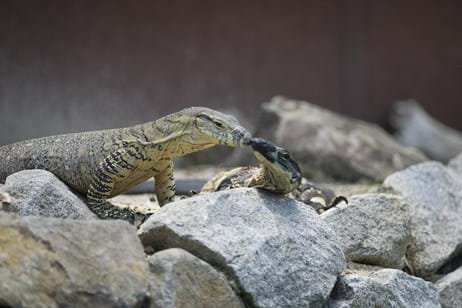
Establish a comprehensive snapshot of biodiversity — from microorganisms to vertebrates. Scale insights to suit any ecosystem or project size.
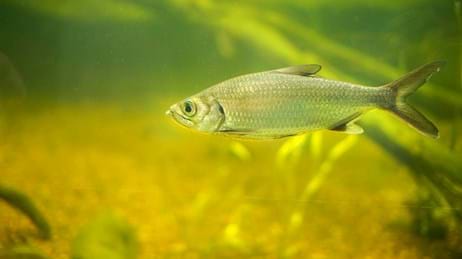
Quickly identify native, threatened, or invasive species of concern with a targeted eDNA survey, for EIAs and management decisions.
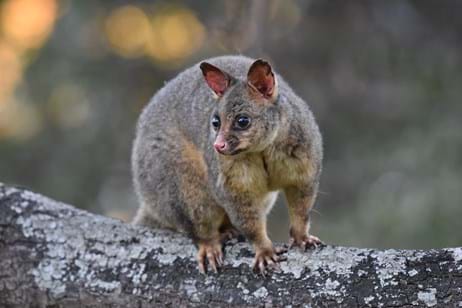
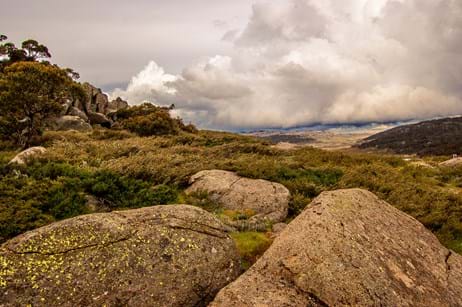
Gain measurable data for project reporting and adaptive management. Track ecological changes over time — pre-and-post events — or assess restoration effectiveness.
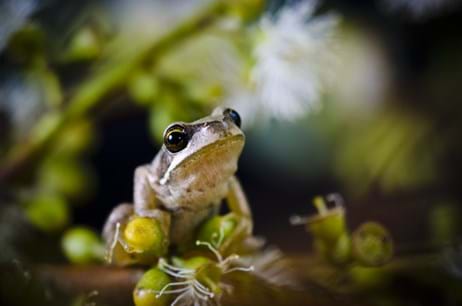
From sites to landscapes and supply chains, unlock rich biodiversity data to support natural capital accounting and TNFD-aligned reporting.
Improved threatened species surveys using eDNA
Expertly designed by our genetic and data science experts, this tool brings structure and clarity to what is often an uncertain early phase of environmental DNA project planning.
By translating complex molecular and ecological constraints into a practical, interpretable traffic-light score, EnviroScore helps teams make more informed methodological decisions before fieldwork or sequencing begins.
This is an ideal solution if you need to:
- Detect threatened or priority species with confidence
- Justify eDNA method selection to clients, regulators or stakeholders
- Have faced uncertainty around assay suitability for specific species
Learn more

Launching our New Threatened Species Matrix & Advisory Solution
A digital pathway that provides transparency and confidence when assessing and applying eDNA methods for threatened species detection.
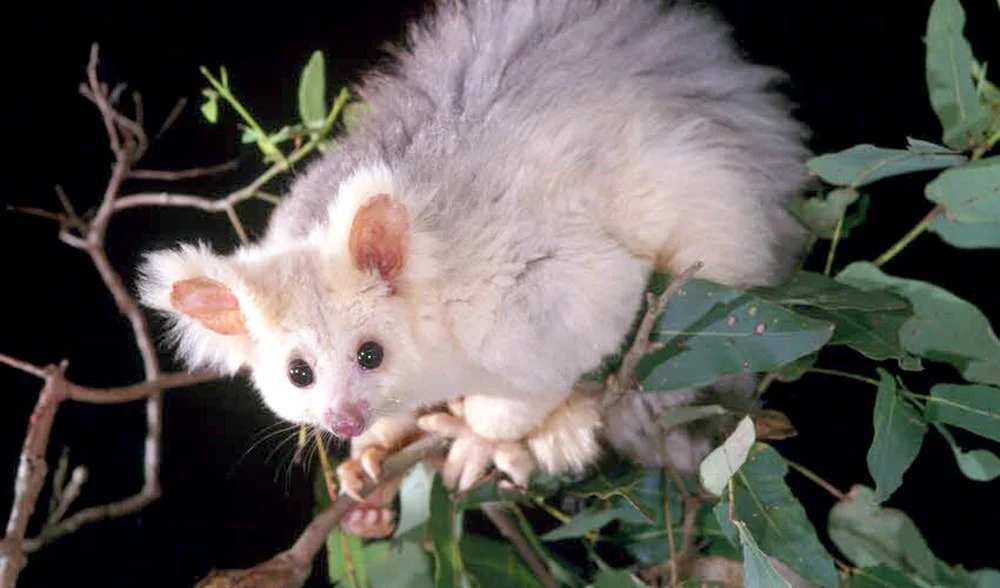
eDNA-based detection of Greater Gliders
The City of Moreton Bay (QLD) partnered with EnviroDNA to improve detection of Greater Gliders within the region using eDNA. Multiple sample types were investigated, including water, scat, and tree hollow swabs.

Christmas Island Blue-Tailed Skink Detection to Support Recovery Efforts
Parks Australia aimed to support recovery efforts by using eDNA techniques to detect both the skink and its known cryptic predator.

Border Ranges Lined Fern eDNA Monitoring
This project is part of a coordinated effort by NSW Landcare groups (Wilsons Creek, Huonbrook, and Tweed Landcare), funded through the DCCEW Saving Native Species Grant.

Natural capital monitoring in the Burnett Mary Region
This project applies an accredited Method under the Accounting for Nature framework, using eDNA to support large-scale biodiversity monitoring.

eDNA: Ocean Protection Technology Catergory Winner
Recognised by Ocean Impact Organisation and Southerly Ten for non-invasive monitoring — from birds and fish to mammals, algae, and benthic species.

Survey to understand impact of bushfires on NSW platypuses
Funded by the Australian Government’s Regional Bushfire Recovery Program, this project uses pre- and post-landscape-scale eDNA to assess bushfire impacts on platypuses.

Rethinking python detection using eDNA
Spectrum Ecology monitored Pilbara Oliver pythons using an eDNA test optimised from museum specimens as DNA reference material. Image: David Pearson

Monitoring threatened River Blackfish population
Queensland Department of Environment and Science used eDNA in a rescue mission to save the Queensland River Blackfish from near extinction.