


Tweed Landcare
Target species detection
Landcare
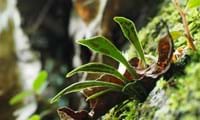
Tweed Landcare engaged EnviroDNA to deliver a component of a recovery project for the Border Ranges Lined Fern (Antrophyum austroqueenslandicum). An epiphytic fern that is listed as a critically endangered species on the EPBC list that grows on the surface of andesite boulders in subtropical rainforests. It has an extremely limited distribution and was thought to be extinct in Queensland until it was recently rediscovered during a field survey undertaken as part of the same project.
Traditional environmental monitoring techniques for monitoring rare ferns often rely on field-based ecological techniques. Field surveys can be time-consuming, labour-intensive, and require skilled botanists, factors which often limit the spread and feasibility due to costs and site inaccessibility.
This project is part of a coordinated effort by several organisations including Landcare networks (Tweed Landcare and Wilsons Creek Huonbrook Landcare), local councils and state government agencies which is funded by the Australian Government’s Saving Native Species Program.
This project applied eDNA as an innovative method for detecting the Border Ranges Lined Fern. EnviroDNA developed a targeted qPCR assay specifically designed to detect the species during its cryptic gametophyte stage.
Many ferns, including the Border Ranges Lined Fern, have two life stages: sporophyte and gametophyte. Sporophyte refers to the mature leafy plant, and gametophyte means the microscopic stage that produces gametes (eggs and sperm).
Using this assay, the fern DNA could be analysed without needing to see the actual plant. Samples were collected from andesite boulders with and without sporophytes in suitable habitats using standard methodology.
Results
Analysis with the optimised qPCR assay successfully detected a remnant population of the Border Ranges Lined Fern. This project also involved additional metabarcoding analysis that revealed significant microbial associations, which may provide insights to support translocation and breeding programs.
This project demonstrates the power of applying eDNA for monitoring rare, cryptic plant species, offering a non-invasive, highly sensitive approach that complements traditional ecological surveys.

Border Ranges Lined Fern, Lui Weber