


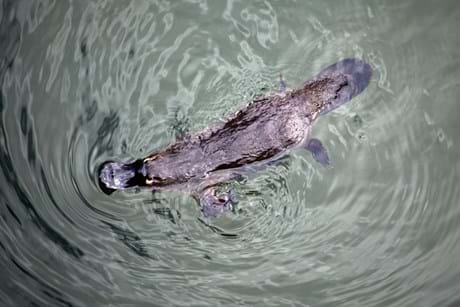
Environmental DNA (eDNA) technology is transforming how we monitor and understand the elusive platypus in Australia.
Our eDNA-powered solutions non-invasively monitor platypus by analysing water samples. This approach offers an effective, fast, and reliable alternative to traditional monitoring methods, such as fyke nets or direct observation.
Previous research has shown two water samples with two qPCR’s performed on each sample yields >95% confidence in detecting platypuses (Weeks et al. 2015).
Our methods are easily deployable across large spatial scales with less disturbance and costly resources in the field. We design our surveys, harnessing leading in-house expertise on platypus to help you achieve the best results with eDNA.

How you can use eDNA
Smarter platypus monitoring in our waterways, supports better decision-making to help secure their future in the wild.
Our eDNA surveys help you understand platypus presence around impact sites with exceptional accuracy.
-
Inform management works. Monitor platypus with exceptional accuracy to make data-informed decisions.
-
Impact assessments. Understand the effects of environmental variables or disturbances using pre and post sampling data.
-
Strategic conservation. Guide on-ground conservation decision-making and easily determine priority rehabilitation efforts.
-
Assess waterway health. Monitor platypus as a bio-indicator species to determine the health of waterways.
Case studies
Understanding impacts of bushfires
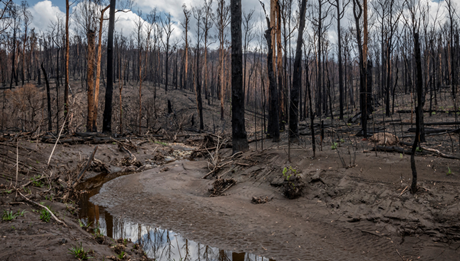
During the summer of 2019/20, south-eastern Australia faced devastating bushfires, burning over 11 million hectares, including 13.56% of total platypus habitat (UNSW unpublished data).
EnviroDNA partnered with Cesar Australia to conduct a large-scale eDNA survey funded by the Australian Government's Regional Bushfire Recovery program.
The Great Australian Platypus Search
A groundbreaking project that combined eDNA and citizen science to fill critical knowledge gaps on platypus distribution throughout Victoria.
Citizen scientists joined a systematic survey to collect samples across 1,800 sites throughout Victorian river basins.