


2026 International Day of Women and Girls in Science Q&A
11 February 2026
- Today is International Day of Women and Girls in Science
- Women continue to represent less than one third of the world's researchers
-
Q&A with Dr Chantelle Reid, Dr Sue Song, and Madeleine Callas
Today marks International Day of Women and Girls in Science. This day was declared by the United Nations General Assembly in 2015 in recognition of the ongoing mission to achieve full and equal participation in science for women and girls.
Women continue to represent less than one third of the world's researchers (UNESCO factsheet). Closing the gender gap matters not only for fairness, but also for the quality, relevance and impact of science, technology and innovation.
We caught up with our team Chantelle Reid, Sue Song, and Madeleine Callas, to discuss their experiences in this field and what advice they have for the next generation of women and girls who are looking to pursue a career in science.
Why did you choose a career in STEM?
- Chantelle: I chose a career in science because it fuels curiosity and constant learning. I’ve always loved exploring how the natural world works particularly when it relates to the ocean and science provides a way to turn that curiosity into meaningful impact.
- Sue: As a kid, I wanted to learn about the world around me and how things worked. I think as long as human curiosity stays alive, there will always be the desire to seek the truth about the nature of our reality, and science is a fundamental part of that. As an adult, I've come to appreciate that the scientific way of thinking is really valuable when it comes to making difficult decisions in the face of uncertainty.
- Madeleine: I’ve always loved nature, animals and the outdoors, so environmental science and biology were a natural calling for me.
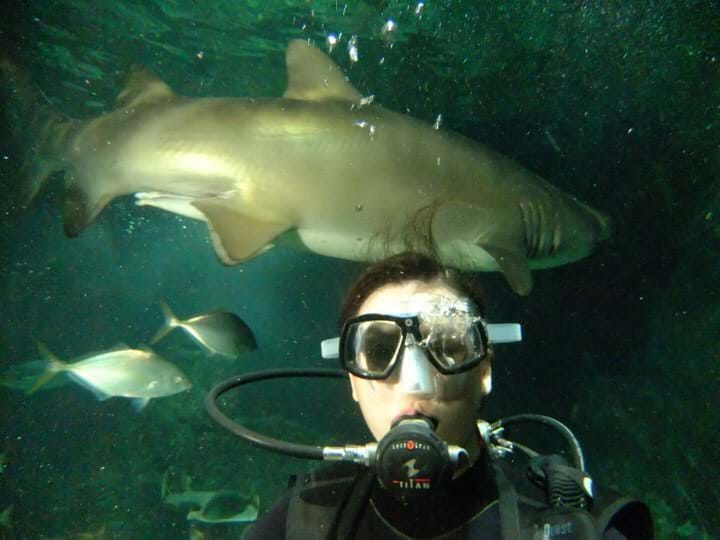
Dr Chantelle Reid, Molecular Scientist
What first got you interested in your field?
- Chantelle: Growing up in Queensland, I spent a lot of time at the beach and outdoors. I was drawn to anything that let me be close to the water, and early on I worked as an aquarist at an aquarium. That hands-on experience really brought science to life for me. Being around animals every day made it feel less like an abstract idea and more like something tangible and achievable. It showed me that there were real careers connected to the ocean and the environment, and that you didn’t have to follow one “perfect” path to end up working in science.
- Sue: I currently work in the field of bioinformatics which involves using computational tools to analyse biological data. I liked biology because it involved learning about how living things function, and I was drawn to genetics because it involved learning about how information was passed from one generation to the next. My family were into computers and tech, so that helped me feel comfortable around computers and got me interested in computer science.
- Madeleine: My childhood love of Steve Irwin and his passion for wildlife is what inspired me to go into ecology, and the amazing and dedicated people I’ve met along the way are what’s kept me here.

Dr Sue Song, Bioinformatician & Geneticist
What’s your advice for women entering STEM?
- Chantelle: Know your value and back yourself. It’s so easy to let imposter syndrome creep in, but you absolutely deserve to be here. No one has it all figured out, even if it looks that way from the outside. I’d also really encourage people, especially early in their careers, to find support—whether that’s mentors, peers, or other women in STEM. There are so many generous, inspiring people who are happy to share their experiences and help you navigate challenges. You don’t have to do it alone, and having a community makes a huge difference.
- Sue: Go in with your eyes open. Some fields require working odd hours and can also feed your impostor syndrome. The peer review process is similar to what artists experience - you are putting your work and ideas out there for judgement. It is the job of the reviewers to find flaws and poke holes in your work, because this is what makes the scientific process work. It can feel like a soul-crushing process sometimes and make you doubt the value of your work. Everyone experiences this, but perhaps not equally, as women may also have the additional strain of other priorities such as caregiving.
- Madeleine: Your differences are your strengths, not your weaknesses! While it can be intimidating entering a male-dominated field or workplace, it takes a wide variety of perspectives to achieve the best outcomes, so don’t be afraid to be a little different.
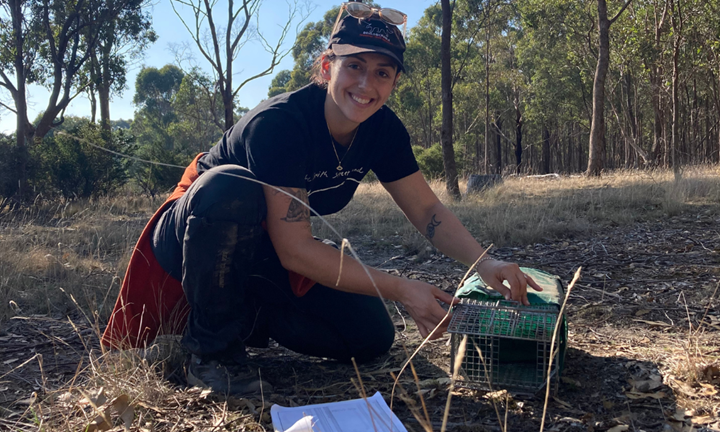
Madeleine Callas, Ecologist
What would be different in your field if more women were involved in science?
- Chantelle: Diversity in all its forms really matters in science. When people from a wide range of backgrounds, experiences, and perspectives are involved, the field becomes more innovative and effective. Different ways of thinking lead to new questions being asked and more creative solutions. Diverse workplaces also make science feel more inclusive and accessible. When teams reflect the world around them, it helps everyone feel they belong and can contribute fully. This kind of representation is powerful—not just for those currently in the field, but for the next generation who are looking in and imagining where they might fit.
- Sue: More women in leadership positions in any male-dominated field increases diversity of thought, reduces unconscious biases in hiring, and reduces the gender pay gap. Women bring their own brand of leadership to the table. Female leaders who are also caregivers may be more inclined to promote flexible hours for a better work-life balance, potentially reduce the attrition rate of women in science.
- Madeleine: I like to think that we’d be a bit better at science communication with more different voices in the room – not just from more women, but more people from all backgrounds and walks of life. Science is only as good as your ability to explain it!